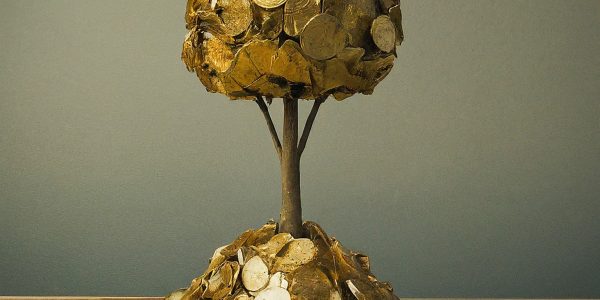
Matter of degree – capital invested
The last measure of progress towards simulated reality is the money people spent. Driven by globalization, liberalization and technological innovation, the global Gross Domestic Product also known as GDP grew from 84 trillion in 2009 to 142 trillion dollars in…
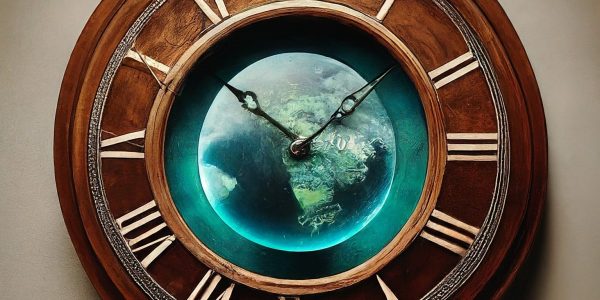
Matter of degree – time spent
We sleep on average 7,5 hours which means that we spent 16,5 hours per day in the simulated reality we call real. Time spent is a measure of how much we are attracted and feel engaged to stay inside the…
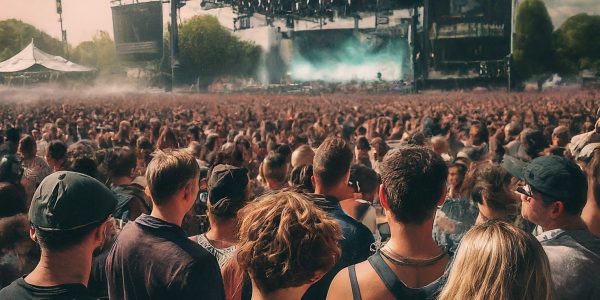
Matter of degree – number of users
The reality in which live today we share with 7,8 billion people as of June 2020. Every day 7,8 billion people open their eyes and experience the world around us. The number of active users of a simulated reality tells…
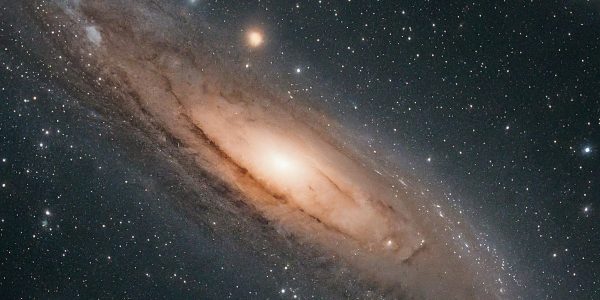
Matter of degree – world size
Related to agency is the size of the virtual world we can explore. Immersive environments for thousands of years were very small, typically restricted to a single room, building or an open space where a live action role playing game…

Matter of degree – agency
A fundamental characteristic of our reality is our ability to interact with the world around us. Janet Murray defines agency as “the satisfying power to take meaningful action and see the results of our decisions and choices”. We can break…

Matter of degree – immersion
When you visit a consumer technology retailer such as MediaMarkt or Best Buy you see the latest televisions and computer monitors promoted based on their screen size, resolution and refresh rate. Although sight is a key sense in creating a…

Matter of degree – tracking progress
Today a growing eco-system of start-ups, scale-ups and incumbent businesses are defining, designing and developing new products, services and experiences to continuously improve the augmented and virtual realities that have become part of our reality. If we extrapolate from the…